Why Fear of Failure Stops You From Painting
Hello dear watercolour painters from all over the world,
Some of you might know me from my previous blog posts that Louise has so graciously asked me to share with you. For the new faces, let me introduce myself: my name is Kati. I am 41 years old and live with my partner and my soul dog, Coco, in Bregenz, Austria, on the shores of beautiful Lake Constance. The job that earns me money is communications for a small local theatre. I love all things cooking and baking — I even recently took up fermentation — I love reading, and I love painting with watercolour. I picked it up during Covid and stuck with it.
So far, so good. Sounds lovely, right?
What these sentences don’t reveal is my daily struggle to actually do the things I love. I’m sure many of you can relate. There’s the job, the kids, the chores, friends — in short, there’s a lot of life to navigate. Louise has often shared what makes it easier for us to actually get up and paint: setting up a workstation, doing daily doodles, blocking dedicated time slots, going in without expectation or pressure.
But this isn’t what I’m talking about.
I do have time for painting, reading, new projects, even cleaning and doing chores. What completely blocks me in my daily art practice is my numbing fear of failure. There are other, more personal things that sometimes stand in the way, but the underlying issue is fear. Fear of failing. Fear of disappointment. Fear of wasting time. Fear of shame. Fear of… well, fear itself.
You see, I am quite the perfectionist. Everything I do has to be perfect, or I feel imperfection settling over me like a heavy blanket. My expectations are so high that I cannot possibly live up to them. This fear of failure is irrational and absolutely exhausting. It has kept me from doing many things. And while I have been diligently working on loosening its grip over the past few years, it has reared its ugly head again in recent months. It’s time to do something about it.
I want to share a few thoughts I return to when the need arises. Perhaps they might help some of you in a similar position. Even if it’s only to say: you are not alone. And don’t give up.
I won’t go into the psychology of it all because there are far more knowledgeable people out there than me. But what I can tell you is this: it can get better. And it’s worth not giving up.
Knowing that you have the necessary skills
Fear of failure often stems from that persistent voice in our minds telling us we aren’t good enough, that we lack what’s needed. But that simply isn’t true.
We live in a world where tutorials, videos and step-by-step guides are everywhere — where the best teachers under the sun are just a mouse click away. The skills are within reach. Often, we already have them; we just need to trust ourselves enough to access them.
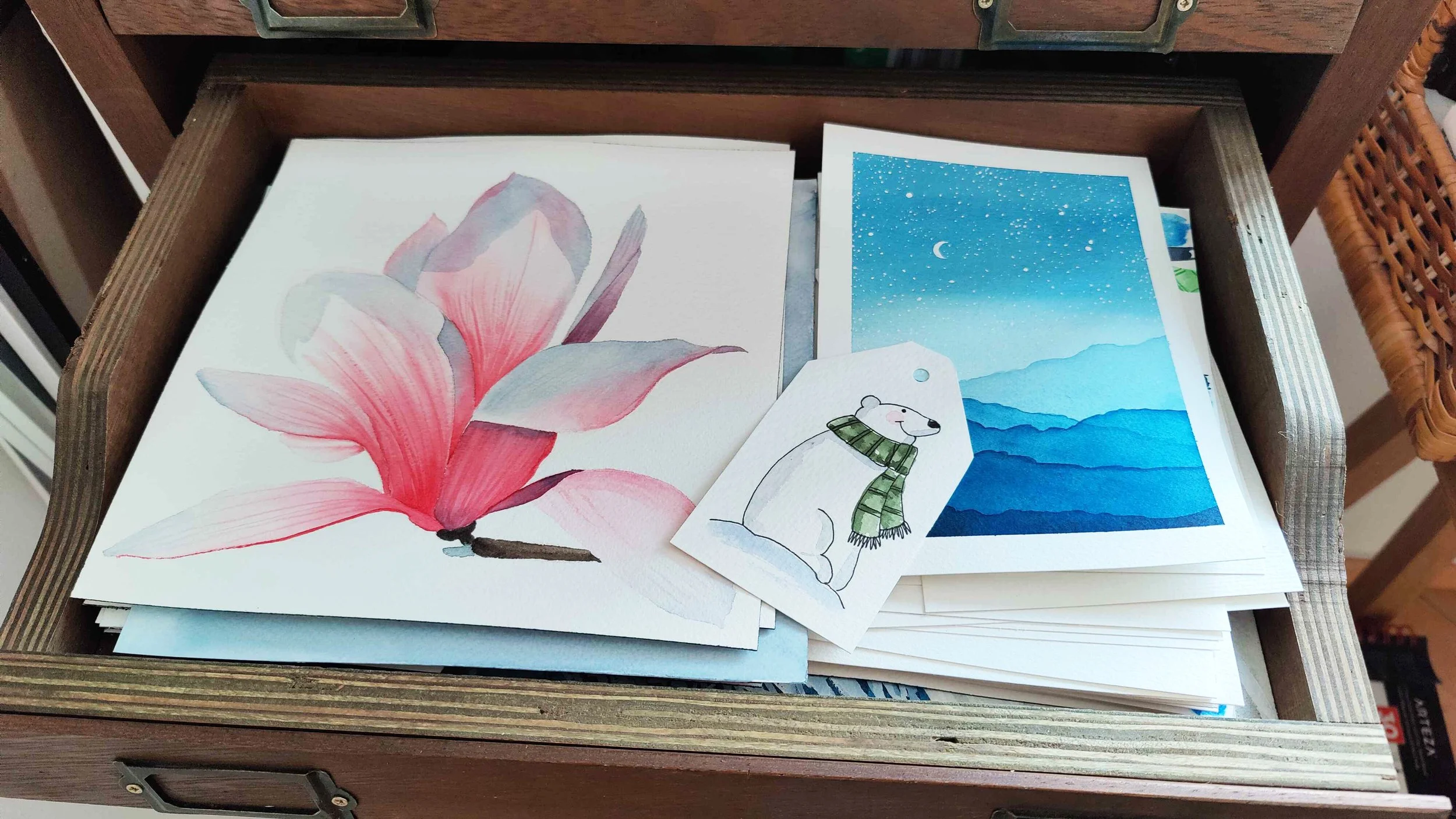
When doubt creeps in, I like to browse through my old paintings. It’s incredible what I can achieve — alone or with Louise’s guiding hand. It might never hang in the Louvre, but honestly, I prefer it above my desk anyway. Browse through your own gallery. I am certain you’ll be surprised by your talent and growth.
If you ever need a calm voice to guide you back into painting, Louise’s step-by-step tutorials are always there. Steady, clear, and easy to return to whenever you feel ready.
Stop procrastinating; start painting
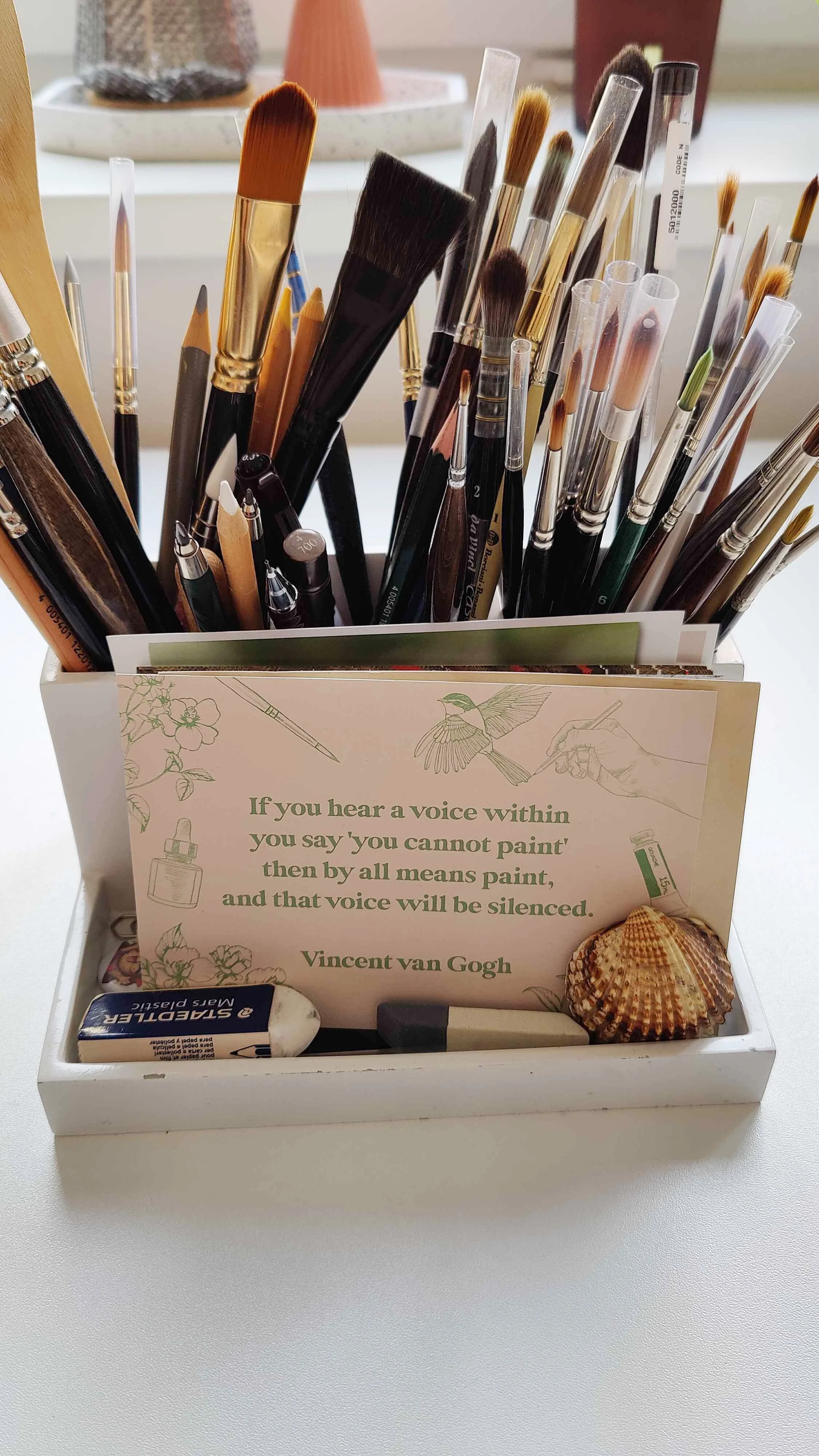
If I’m completely honest, sometimes it takes me weeks to sit down and paint. And once I do sit down, it can take even longer to actually begin. I can stare at a blank sheet of paper for hours and not even lift a brush.
Gently coaxing myself into it works best. I remind myself that painting is good for me — for my soul, my mental health. I deserve to feel happy and at peace. And so do you.
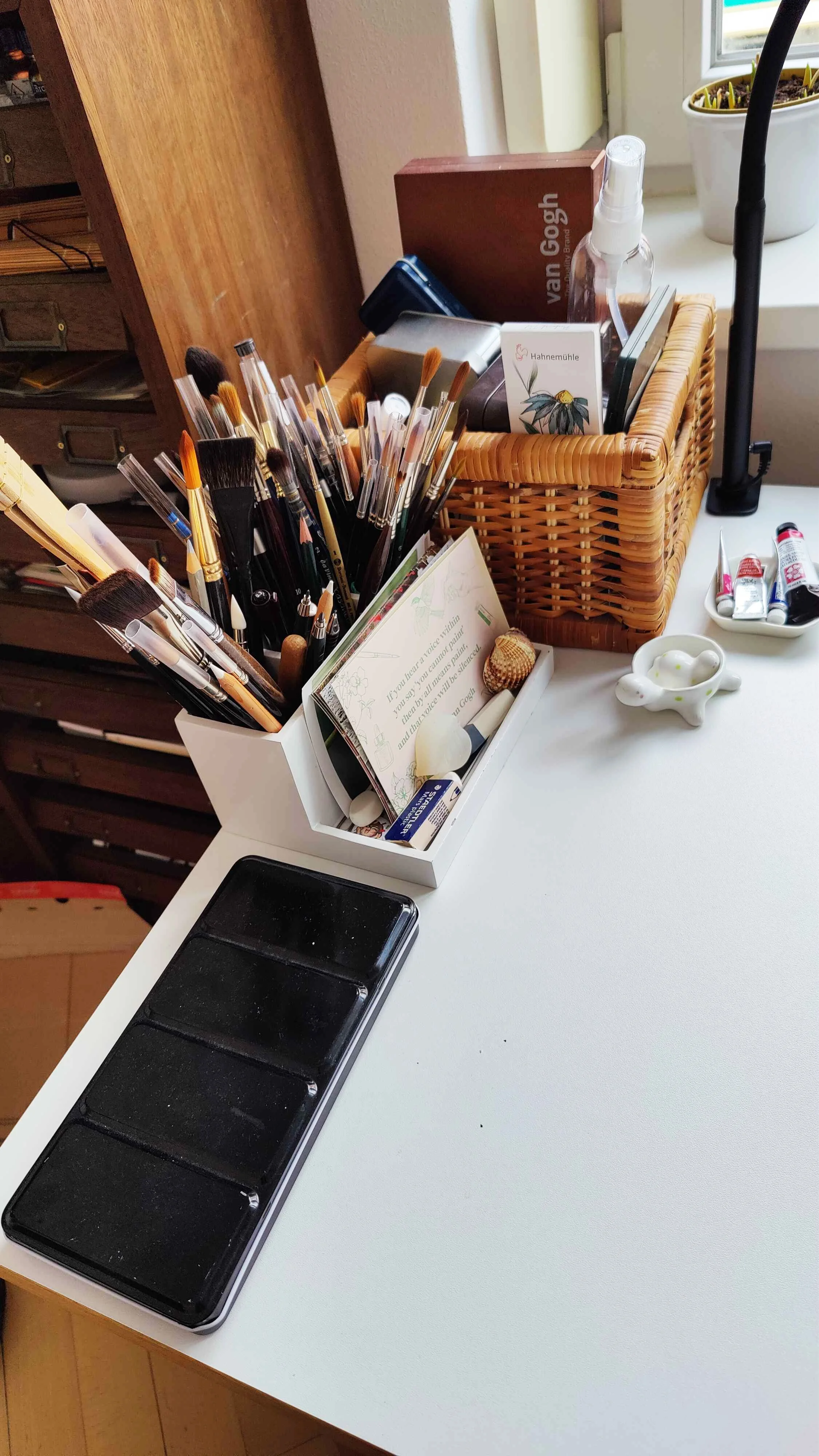
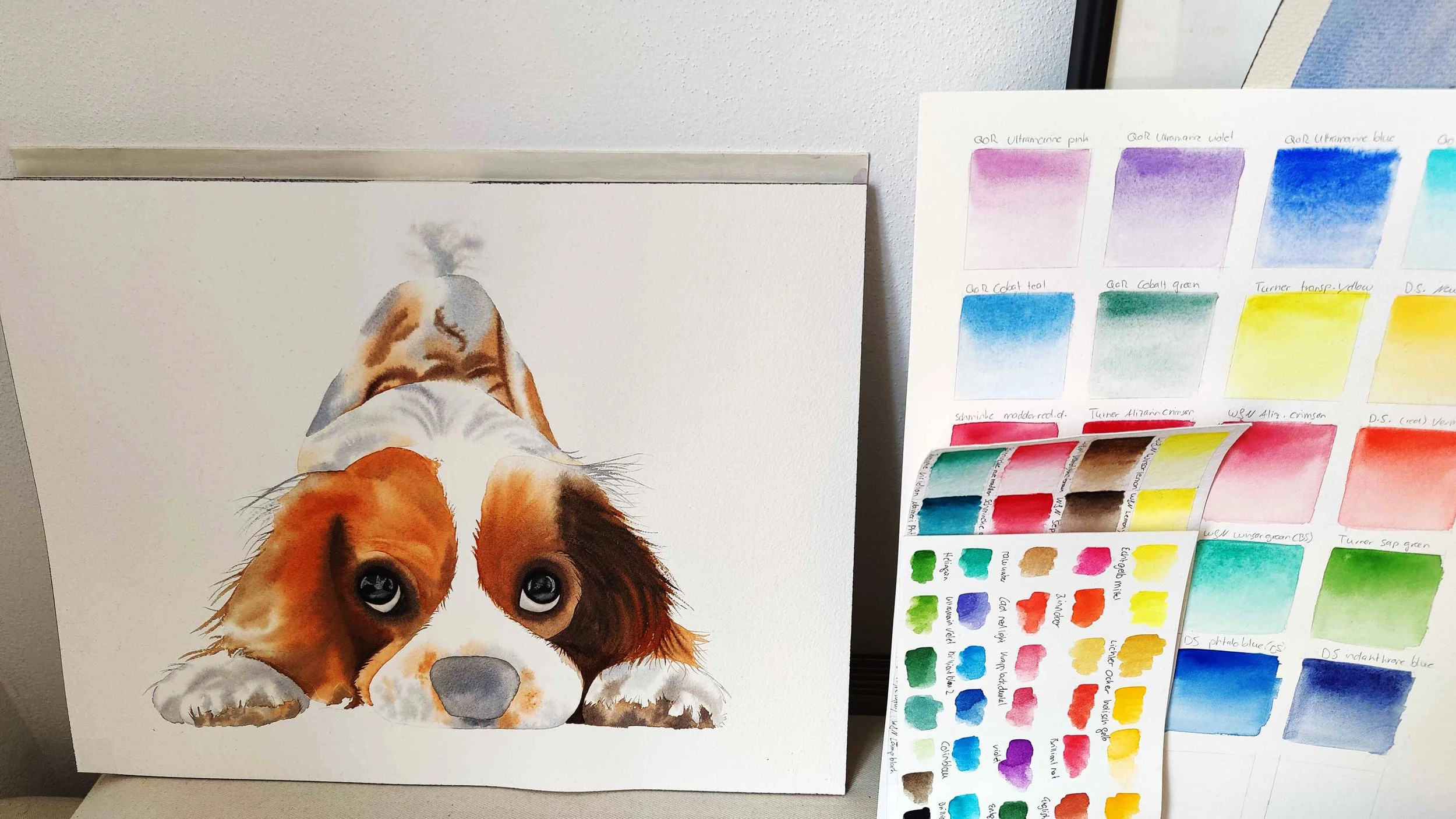
If the pressure feels too heavy, I make endless swatches of my colours. I admire my brushes. I run my fingers lightly across the paper. That is sometimes enough to reconnect me to my passion. It’s a small step — but a step nonetheless.
Don’t worry about letting yourself or others down
It’s a well-known question, and you might be tired of hearing it, but humour me for a moment: what is the worst that can happen?
What if that painting you did from the tutorial doesn’t turn out the way you hoped? We tend to overdramatise the impact of that outcome. And this is not meant to dismiss your feelings in any way. I’ve often caught myself thinking I was somehow letting down everyone who ever gifted me art supplies if I didn’t produce a painting worthy of John Singer Sargent.
But that’s not what’s happening.
What you did was learn. You took another step on your watercolour journey. You set aside time just for yourself. You honed your craft. You used those beautiful materials instead of letting them gather dust.
So ask yourself honestly: what is the worst that can happen if a painting doesn’t turn out as planned?
Don’t let fear decide your path.
Go back to basics
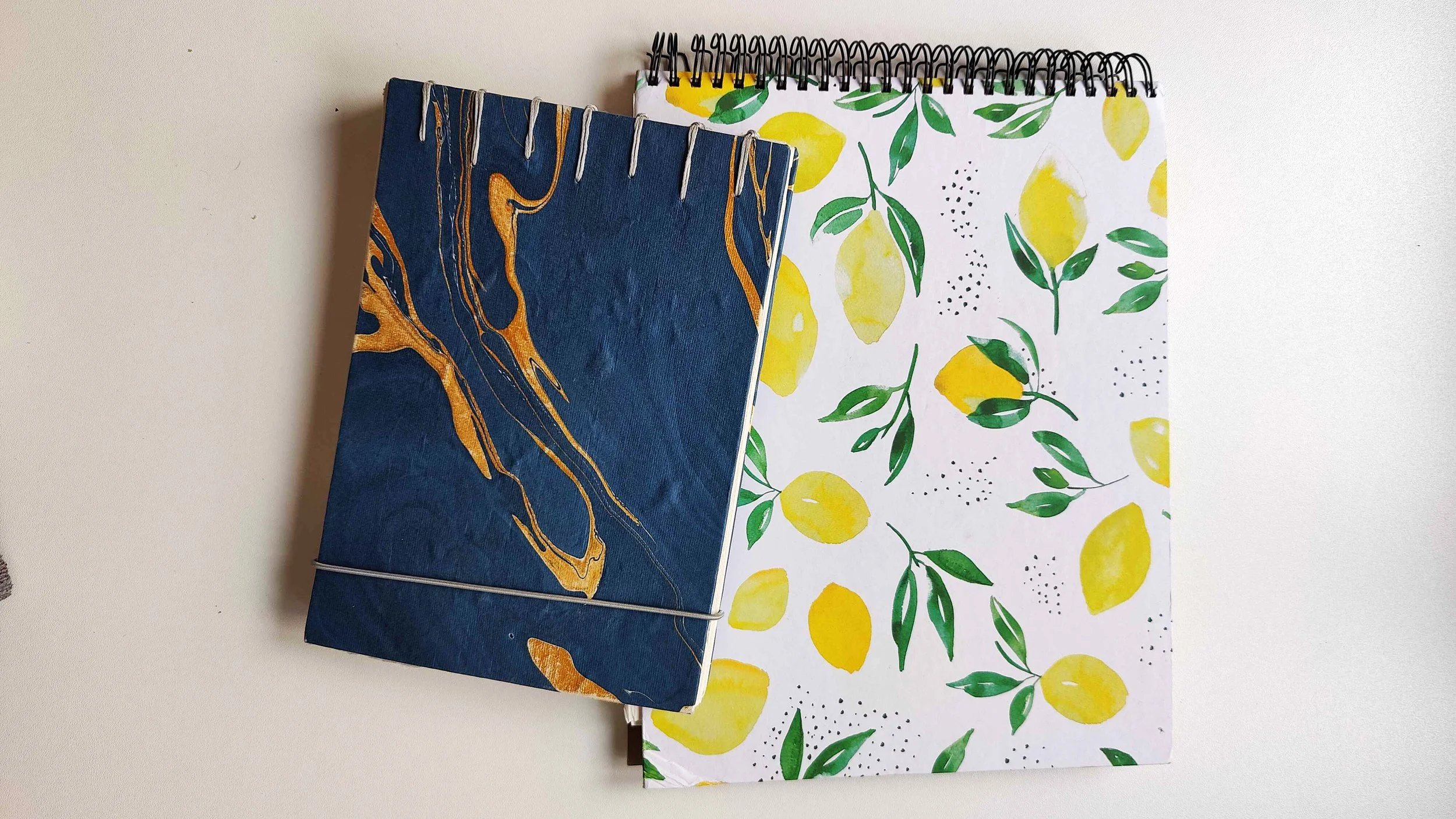
When it all feels overwhelming, I go back to basics. I open the beautiful handmade watercolour journals my friends Kara and Kimberly gifted me and practise simple washes, basic brushstrokes, maybe a few clouds.
(I wrote “open” instead of “try” — because I want to be honest. Sometimes I feel utterly defeated when I create an “ugly” page in those journals. But I gently push myself to let go of that fear. And if I can do it, so can you.)
I pick the easiest Louise tutorial I can find. I listen to her calm explanations and steady pace. I focus on being present. It’s a tutorial — not a 10-step plan to produce a masterpiece.
No matter the outcome, you painted today.
Reward yourself with a cup of tea or a piece of chocolate. I know this can be hard work. You are worthy. And you did something brave.
When I feel overwhelmed, returning to one of Louise’s simpler tutorials helps me rebuild confidence without pressure. Sometimes it’s easier to begin when someone else gently sets the pace.
Focus on what you can control
Leaving a project half done rarely feels good. It can easily lead to anxiety and tension. So try to take control instead of letting fear take the wheel.
Break a longer tutorial into small, manageable parts. Choose shorter exercises. Paint a simple flower without worrying about details. Simplify the surroundings. Remove what feels overwhelming.
Didn’t finish today? Tomorrow is another day.
Missed a daily session? Life happens — try again next week.
Project too time-consuming? Adjust it until it fits your reality.
Planning ahead like this — gently outsmarting doubt — can be a powerful way to manage fear.
What is failure?
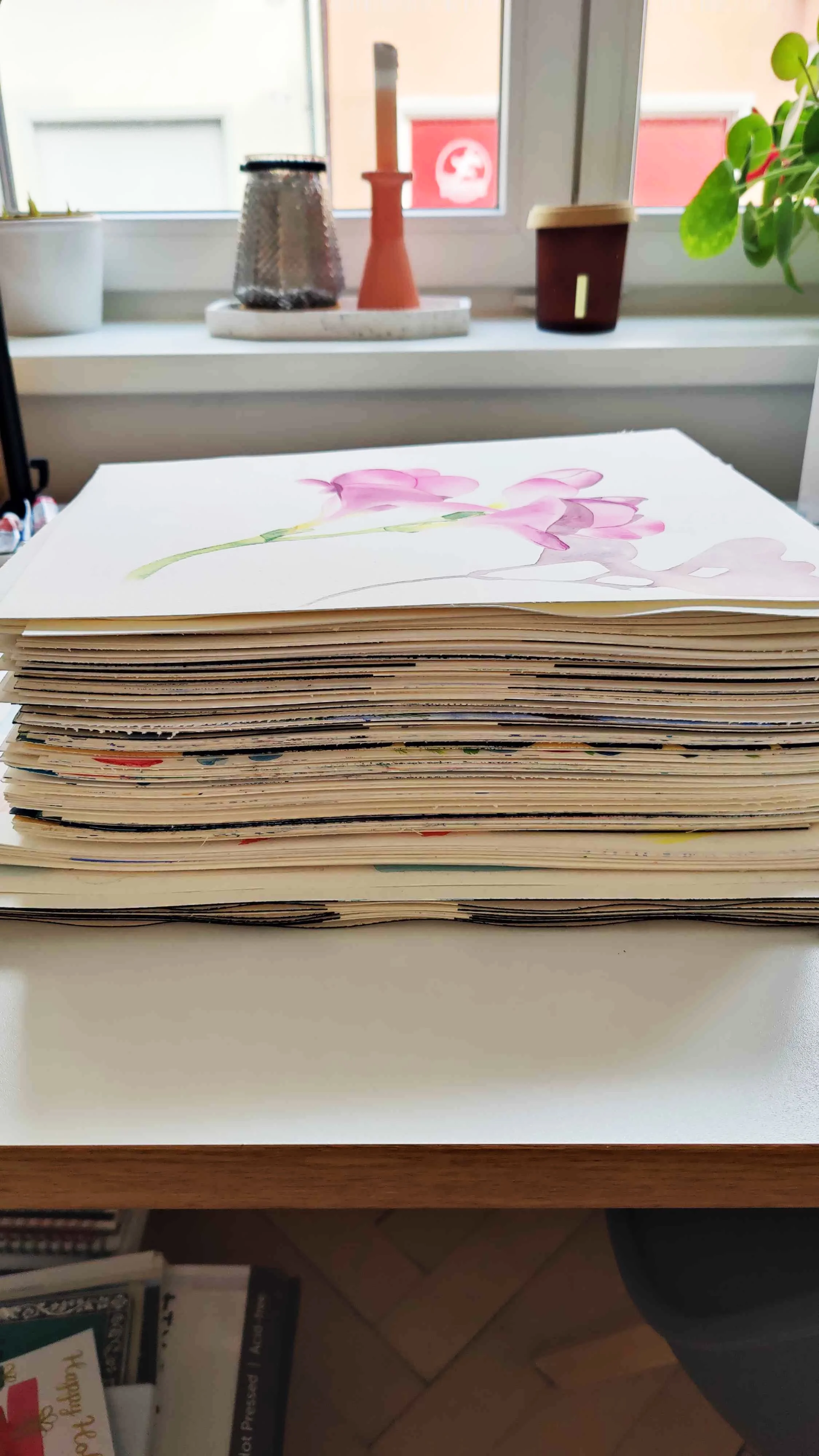
Perhaps it helps to redefine failure altogether.
Yes, it’s disappointing when things don’t go the way we imagined. But disappointment is not the end. Failure is part of growth. It is often the doorway to new skills and deeper understanding. The most successful people failed endlessly — they simply refused to stop.
I once read that for every negative experience, it takes three to five positive ones to gently teach our brain a new pattern of thinking. I think about that often. If I tear up unfinished paintings again and again, how will my brain ever experience the quiet satisfaction of completion?
I don’t remember learning to walk. But I must have fallen countless times. Still, I got up. Again and again. Otherwise, I wouldn’t be walking today.
My baby brain certainly didn’t think, “Well, that failed — let’s just sit down forever.” It looked at my parents and wanted to walk too.
So the next time you sit down to paint, think about the real outcome: you spent precious minutes — maybe even hours — with something you love. You cared for yourself. You created, even if it was just a simple wash across the page.
That is the opposite of failure.
If fear has been keeping you from painting, perhaps begin with something small. A simple wash. A short study. Or a guided lesson that takes the pressure away and lets you simply follow along.
Best of luck,
Kati
If you are interested in learning to paint in watercolour, I have hundreds of online, voiced over watercolour tutorials for all skill levels.