Motivation for Artists
How to Create Art When the Spark Is Gone
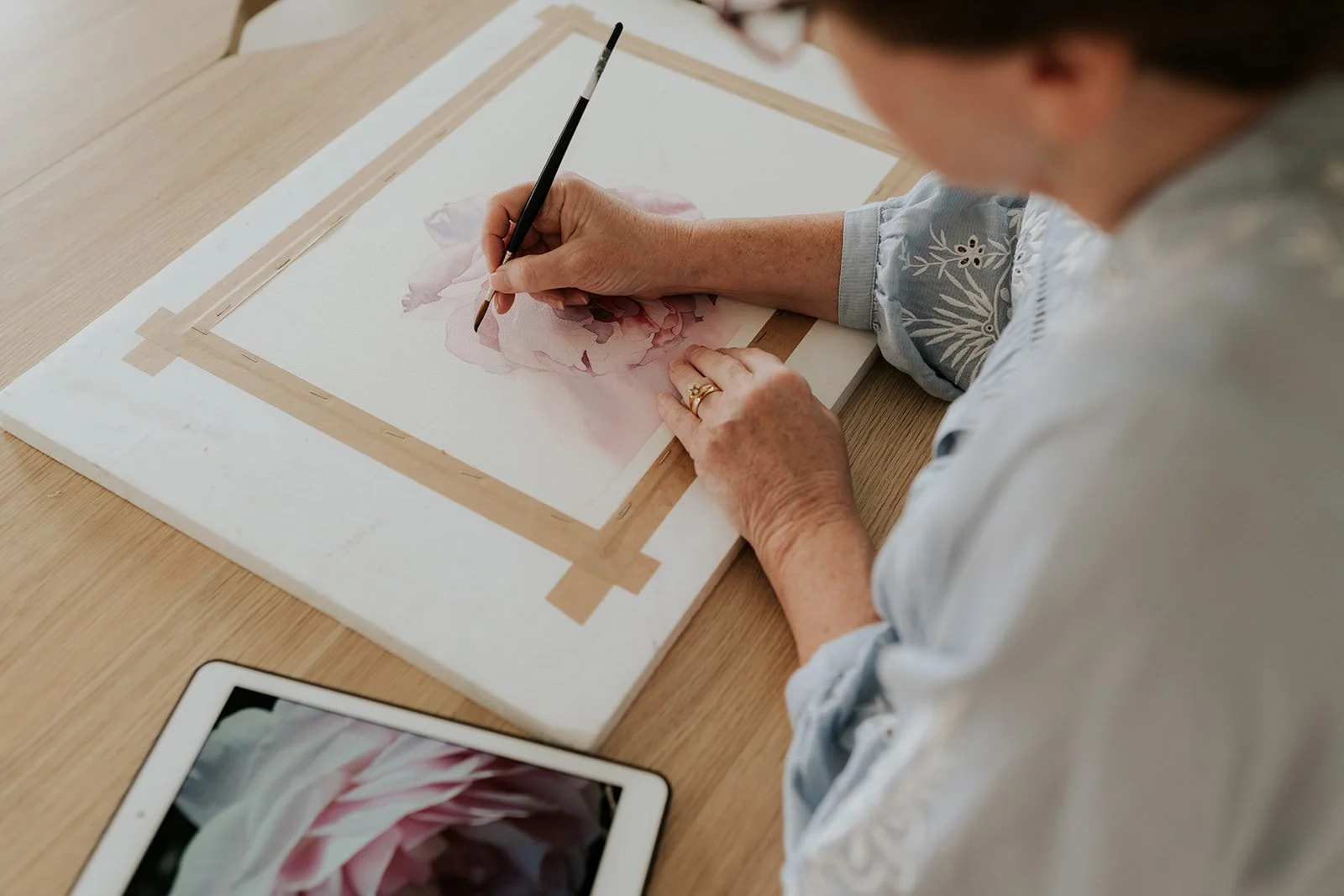
Painting is often talked about as a source of calm, joy, or escape. But it doesn’t always feel that way. Sometimes, sitting down to paint can feel surprisingly hard. Lately, I’ve been receiving quite a few messages about motivation and painting. Some people have shared that they’ve lost a loved one and, with that loss, their desire to paint has quietly slipped away. Others have said their creative spark has faded for no obvious reason at all. Creativity is closely tied to how we’re feeling, and when life shifts or feels heavy, it’s natural for our relationship with painting to change too.
If you’re in that space right now, you’re not alone. Below are a few gentle ways to approach painting during low-motivation periods, without pressure to produce or perform.
If returning to painting feels difficult right now, sometimes it helps to follow a quiet step-by-step lesson rather than deciding what to paint on your own.
The Creative Process: Lower the Bar on Purpose
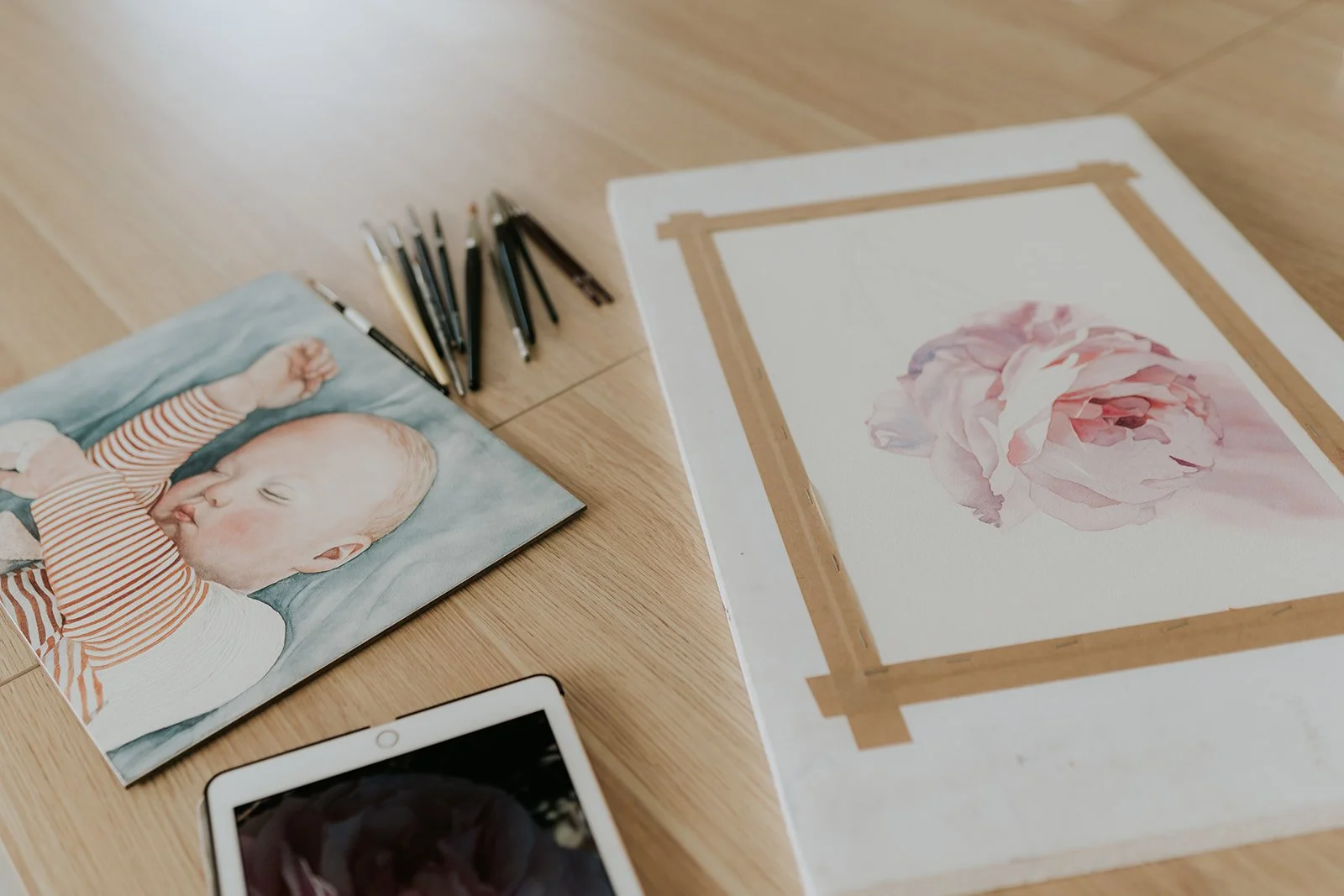
One of the most helpful things you can do when art motivation is low is to deliberately lower your expectations. Many artists stall because they feel their creative work has to result in a finished painting or something they feel proud of. When that doesn’t happen, self doubt creeps in and the studio starts to feel heavy.
As a professional artist, I don’t always have the luxury of waiting until motivation returns. I still need to create new work, even on days when I’m not in the mood. When that’s the case, I often start with a study rather than a finished painting, and I do it without cameras on. Taking away the pressure to perform allows me to experiment, make mistakes, and explore ideas more freely.
Sometimes that study leads naturally into the final painting. Other times I’ll try again, or scrap it entirely and begin something new. Letting go of the need for every piece to succeed is often what makes it possible to keep painting at all.
Change the Goal
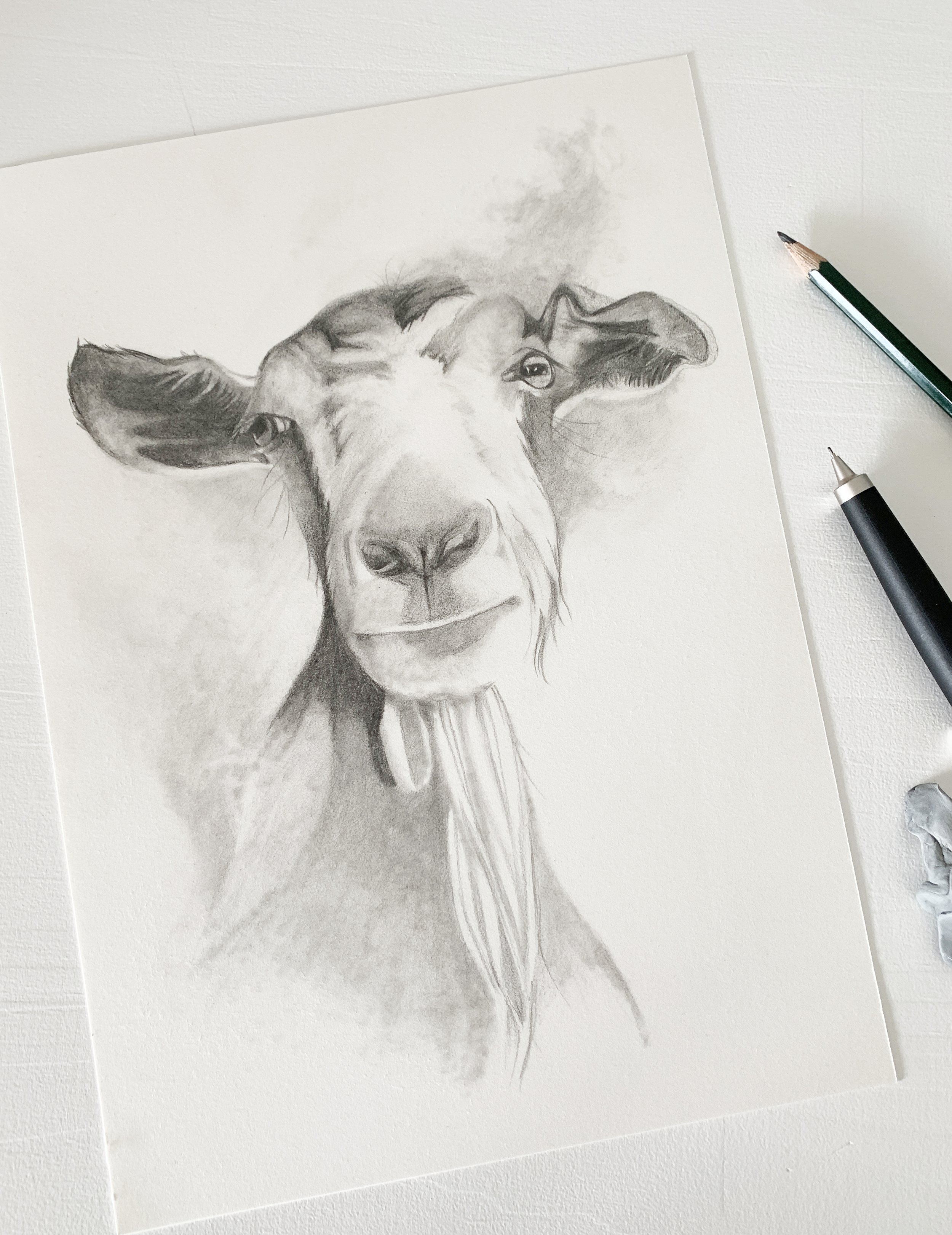
When motivation is low, it can help to shift the point of painting. Instead of aiming to complete a full artwork, change the goal to something smaller and more achievable. This might be testing a new idea, mixing colours, practising brush control, or exploring a new medium alongside your usual painting practice.
Changing the goal takes the focus off results and places it back on the creative process. It allows you to stay engaged with your art without needing to feel inspired or accomplished at the end of every painting session. Some weeks, progress looks like learning something new or simply showing up in the studio, even if the painting itself doesn’t go anywhere.
This approach is especially helpful if you tend to feel guilty for not producing enough. Creative work still matters, even when it’s quiet, slow, or unfinished. Over time, these small sessions add up and support a more consistent, sustainable creative practice.
Paint Without Finishing
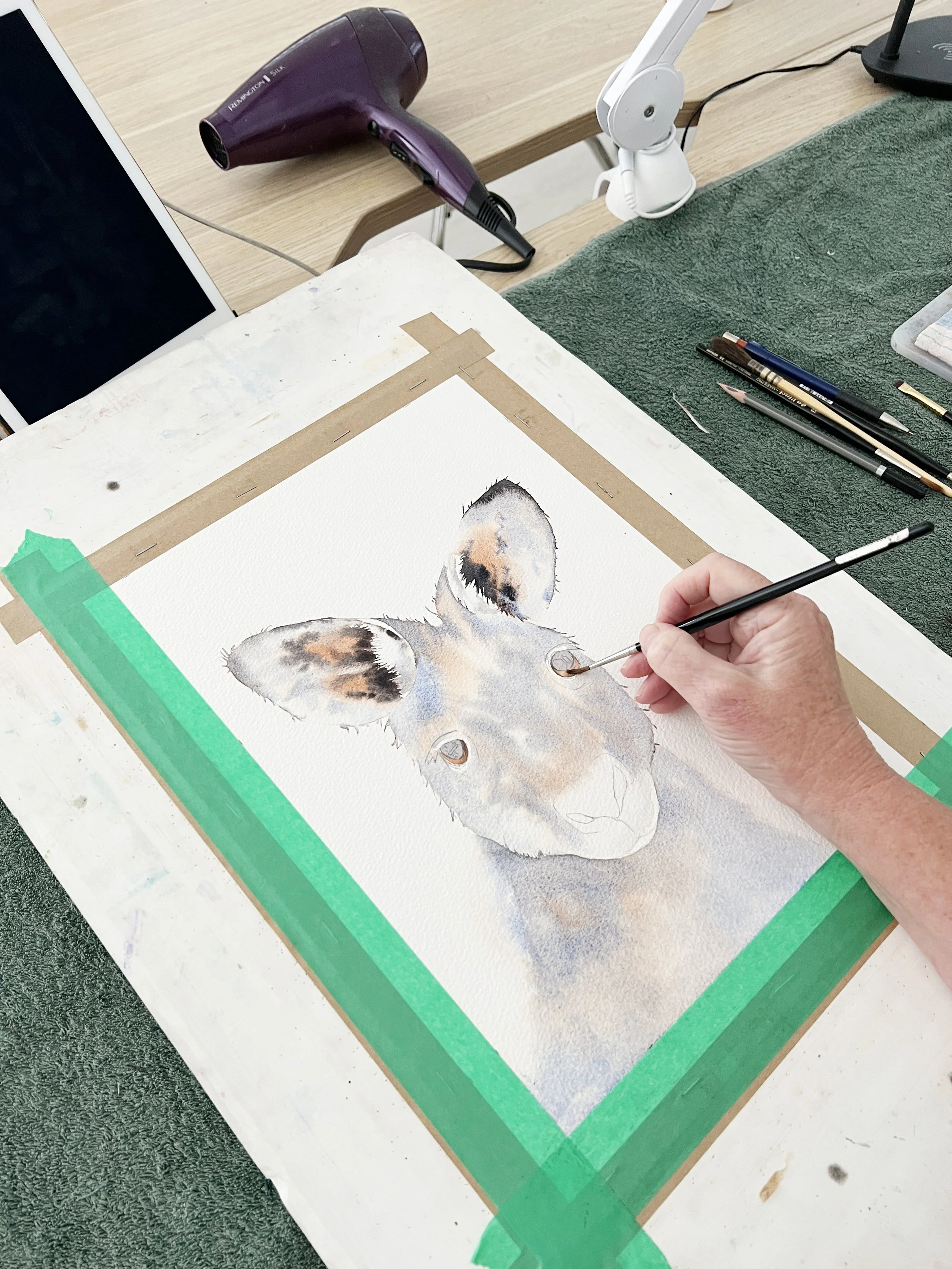
Not every painting needs to be finished, shared, or even kept. On low-motivation days, allowing yourself to stop partway through a piece can take a huge amount of pressure off. Many artists feel stuck because they believe they need to see something through to the end to make the time worthwhile.
Sometimes I’ll paint just a small section, a single area of focus, or even abandon a piece halfway through once I’ve learned what I needed from it. That still counts as creating. It’s still part of the process.
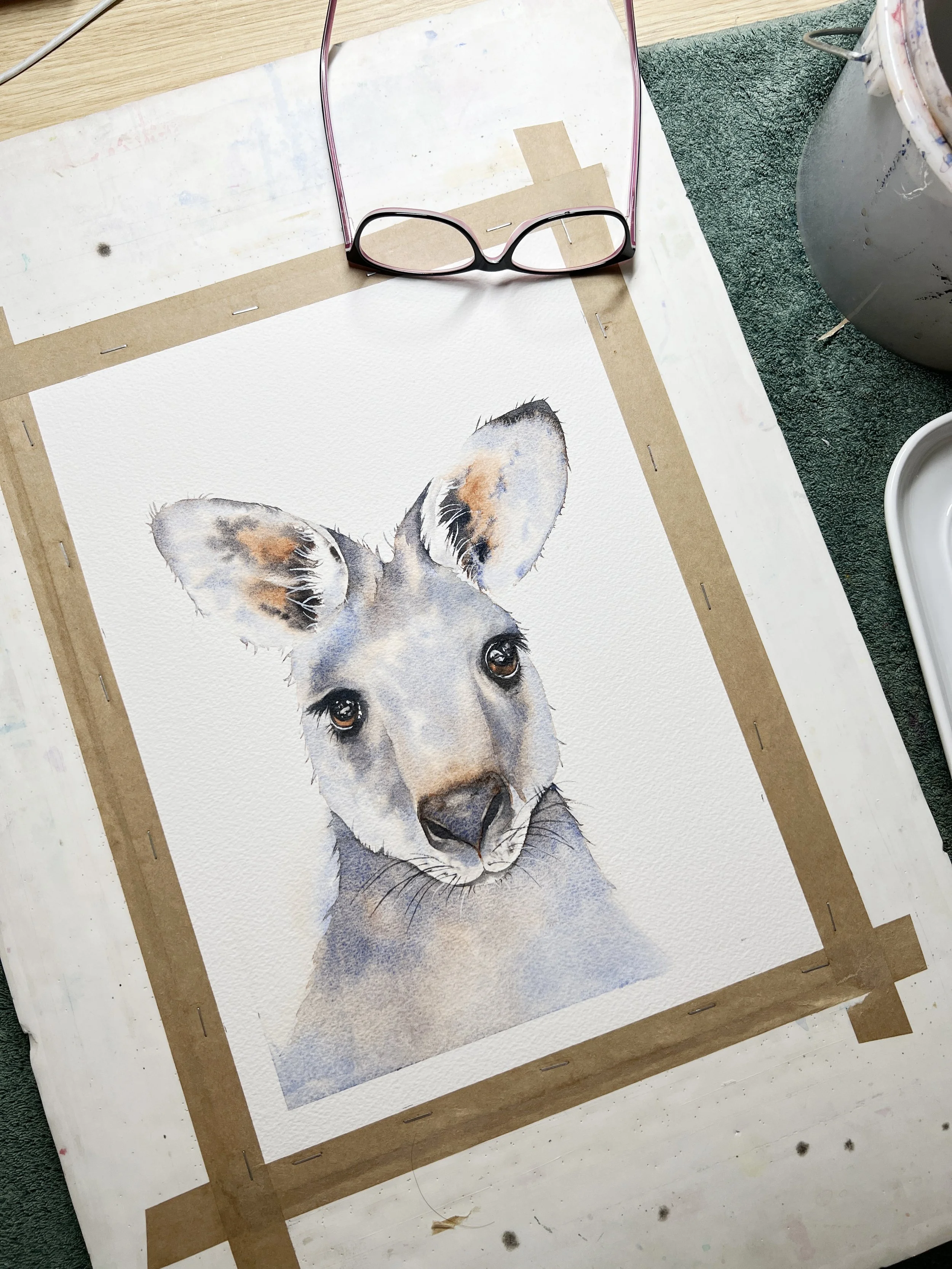
In fact, this is something I did today. I spent the morning painting a kangaroo for a tutorial, but by the afternoon my motivation and focus had faded. Rather than pushing through, I left the painting and turned to writing this blog post instead. I know from experience that stepping away is often what allows me to return to a painting with fresh energy later on.
Giving yourself permission to leave work unfinished can help you stay motivated over the long term. It keeps the creative practice moving, without turning every session into a test of productivity or passion.
Repeat Something Familiar
When motivation is low, new ideas can feel overwhelming. Decision making takes energy, and without realising it, we can end up stuck simply because there are too many choices. This is where returning to something familiar can be incredibly helpful.
Repeating a subject, colour palette, or process you already know well reduces the mental load and helps you ease back into your creative practice. Many artists revisit the same themes or projects again and again for this reason. Familiarity creates a sense of comfort and allows you to focus on the act of painting rather than worrying about whether the idea will work.
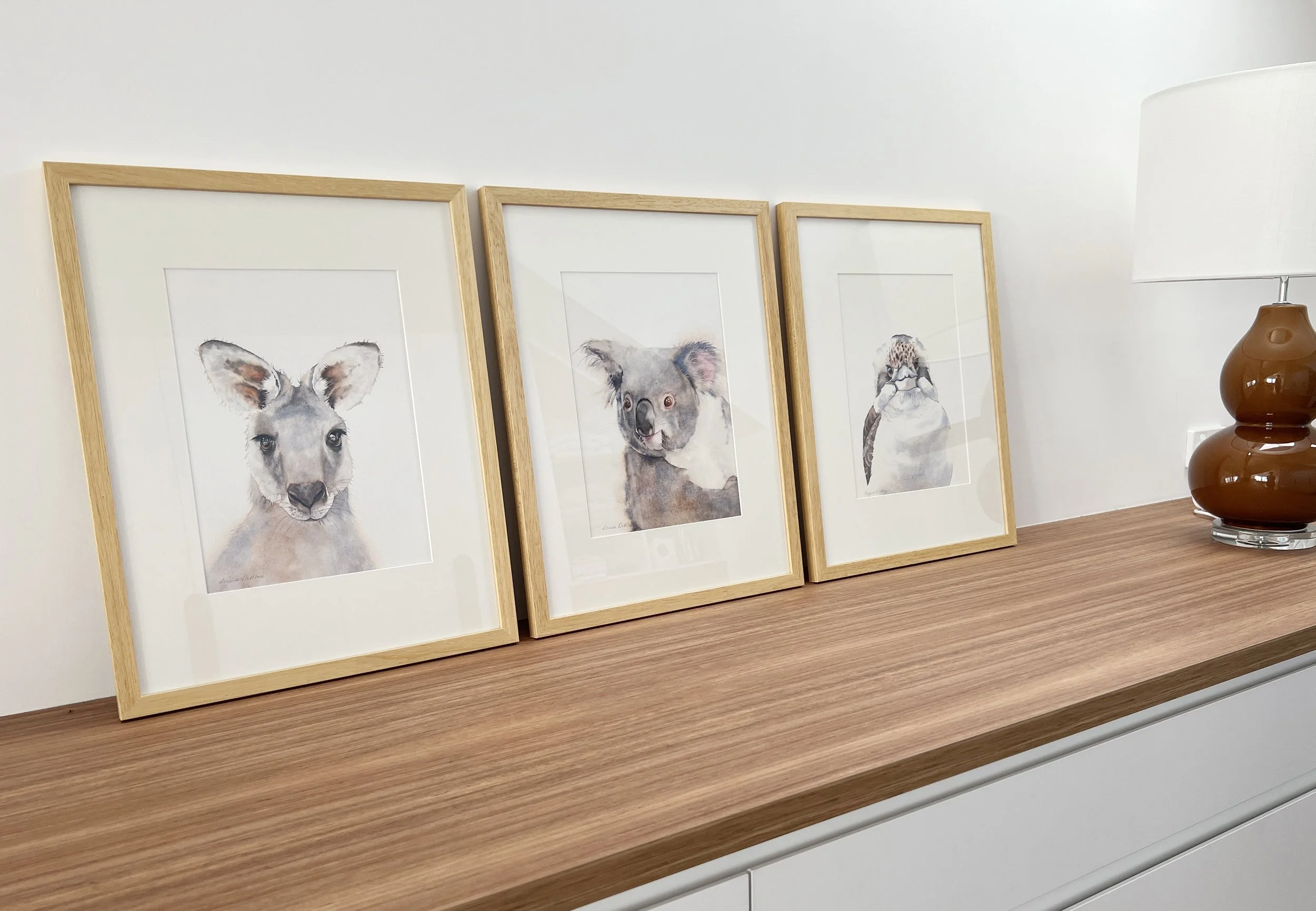
A good example of this for me is a kangaroo painting I originally painted in 2024 for my daughter’s nursery. Over time, I’ve had many people comment on it and ask whether I’d create a tutorial. On a day when my motivation was low, choosing a subject I already knew well made it easier to begin and reconnect with the process without pressure.
There’s no requirement for every piece to be new or exciting. Repeating something you’ve painted before doesn’t mean you’re standing still. It’s often where confidence rebuilds, skills quietly develop, and motivation starts to return.
It's Your Own Journey
When not to push.
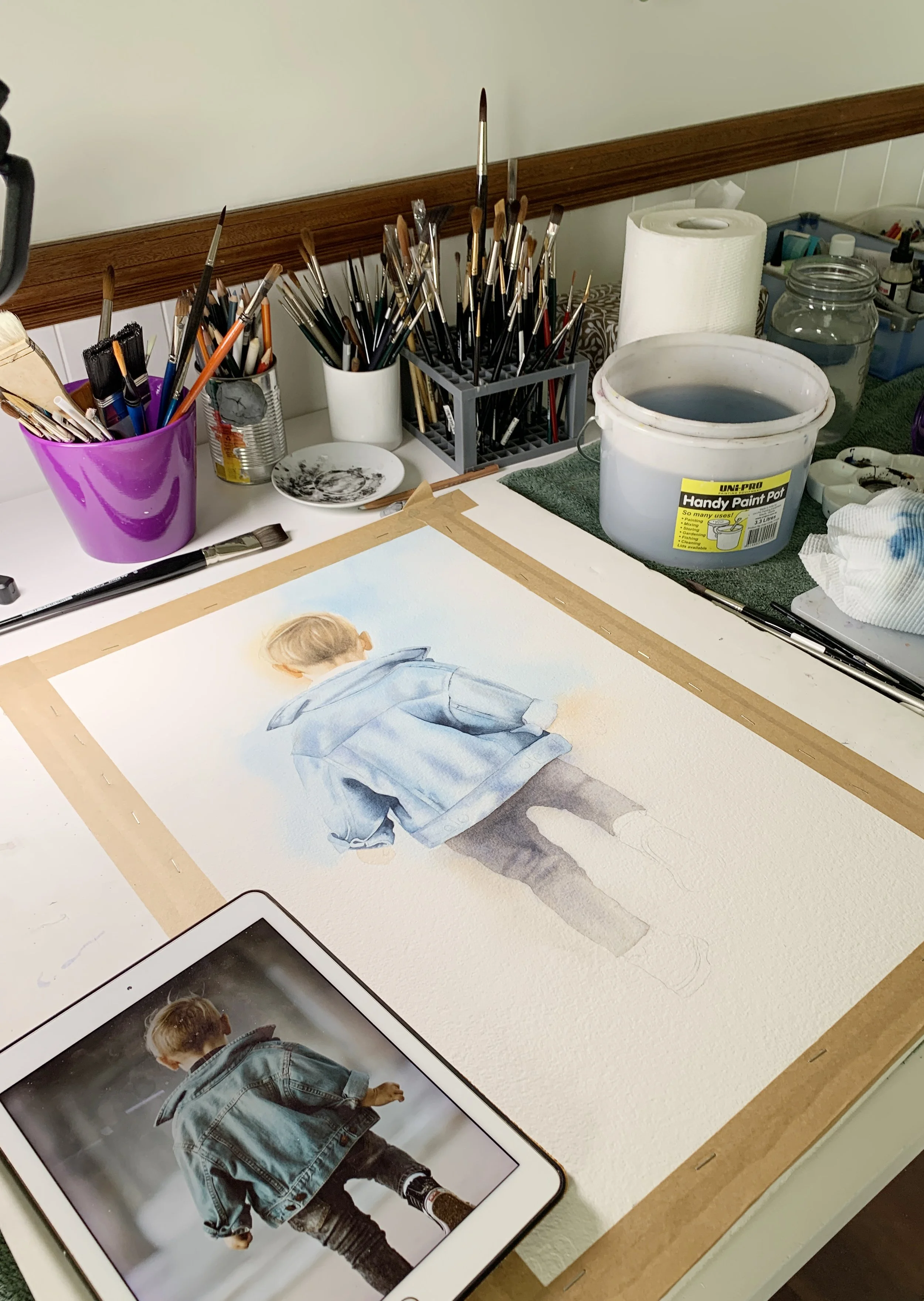
There are times when the most productive thing you can do for your creative work is not to paint at all. If you’re exhausted, distracted, or emotionally worn down, pushing through can sometimes do more harm than good. Instead of helping you stay motivated, it can deepen frustration or self doubt.
Understand that rest doesn’t mean you’ve lost your passion or discipline. Instead it means you’re paying attention to where you are in your own journey. Stepping away for a short break can give your mind space to reset and often brings clarity back to the process.
This doesn’t mean waiting endlessly for inspiration to strike. It’s about recognising the difference between gentle resistance and genuine fatigue. When painting starts to feel heavy rather than challenging, allowing yourself to pause can protect both your creativity and your long-term enthusiasm for making art.
Show Up Gently
Improvement in painting comes from consistency, not from feeling inspired every time you sit down. Making painting a habit matters if you want your skills to develop, but that habit doesn’t have to look the same every day. Some days you’ll feel focused and excited. Other days, just showing up is enough.
If today isn’t the day, that’s ok. Rest, step away, and give yourself permission to pause. Then make a quiet commitment to return tomorrow, or the next day, when you have a little more energy to give. Over time, these small acts of consistency build confidence, progress, and trust in your own creative process.
Ultimately, staying connected to painting isn’t about pushing harder. It’s about returning, again and again, in a way that feels sustainable and kind.
If you are interested in learning to paint in watercolour, I have hundreds of online, voiced over watercolour tutorials for all skill levels.
A few years ago, I looked back at some of my older paintings and found one of a tulip that I had overworked.
It was a useful painting to look at because I could see exactly what I had been doing wrong.
I'd used too many colours and too many layers. I'd tried to record almost everything I could see in my reference photo. I'd worked and reworked areas until the paint had lost its transparency and luminosity.