Scared of Watercolour? 8 Common Watercolour Mistakes That Create Fear

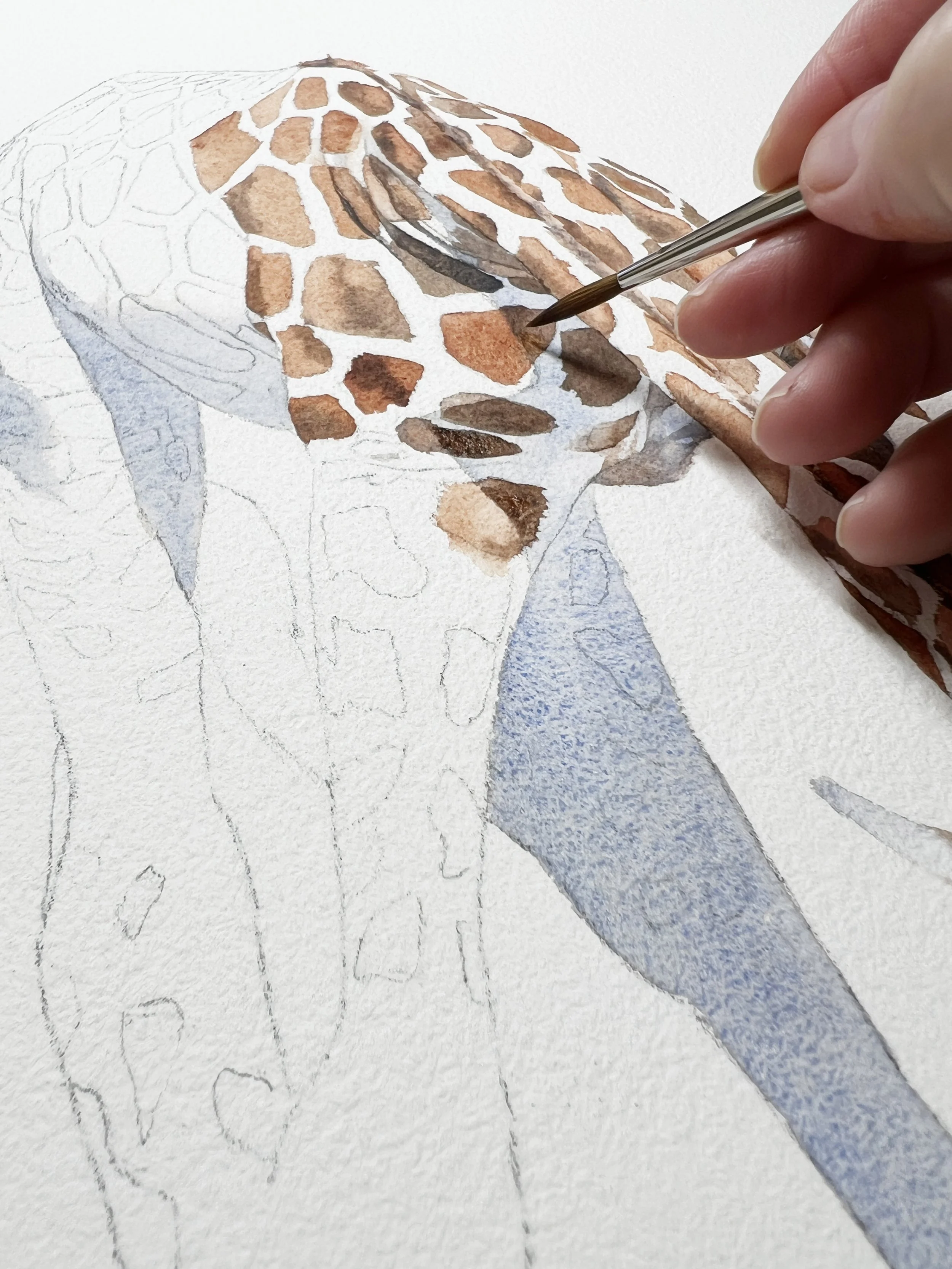
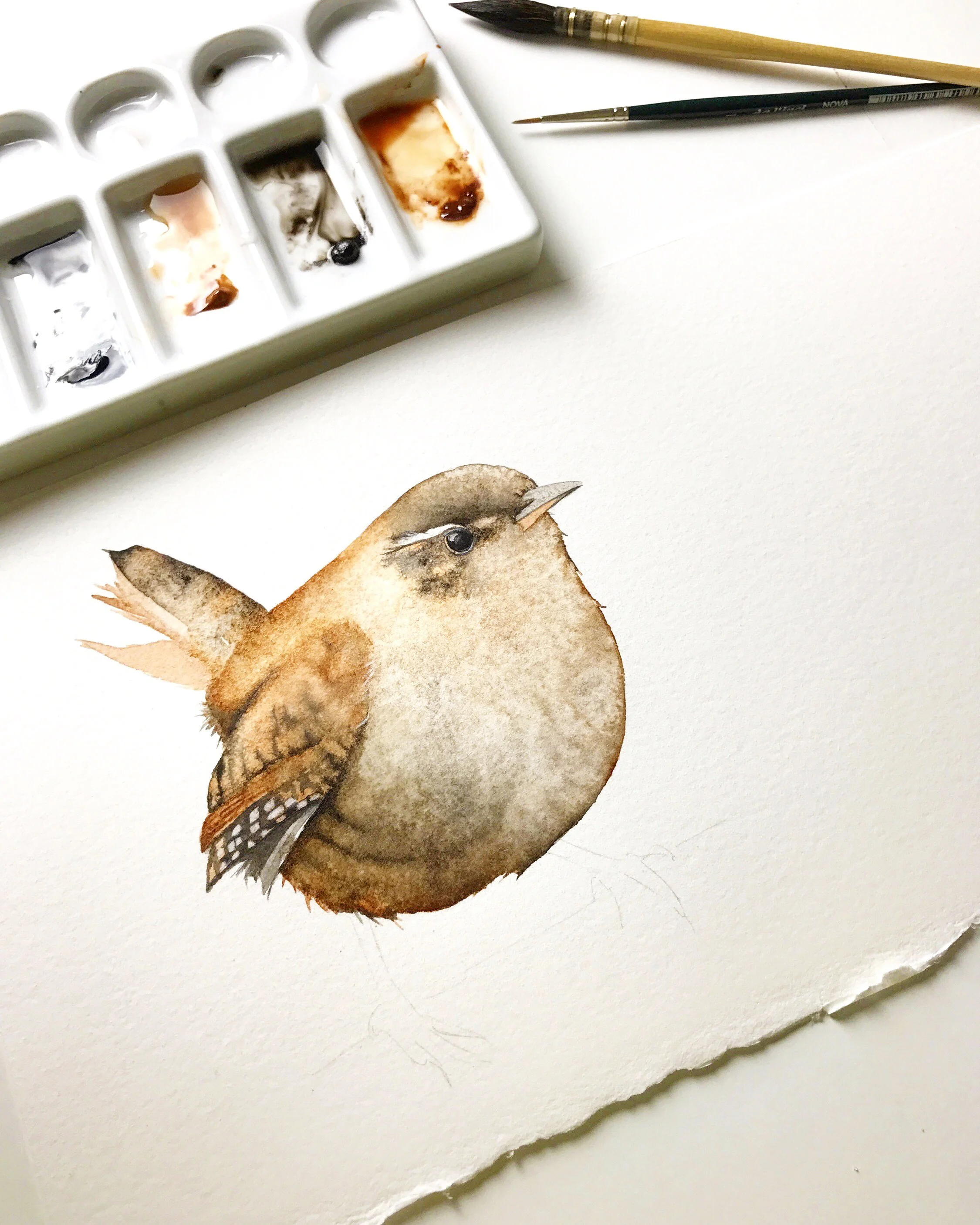
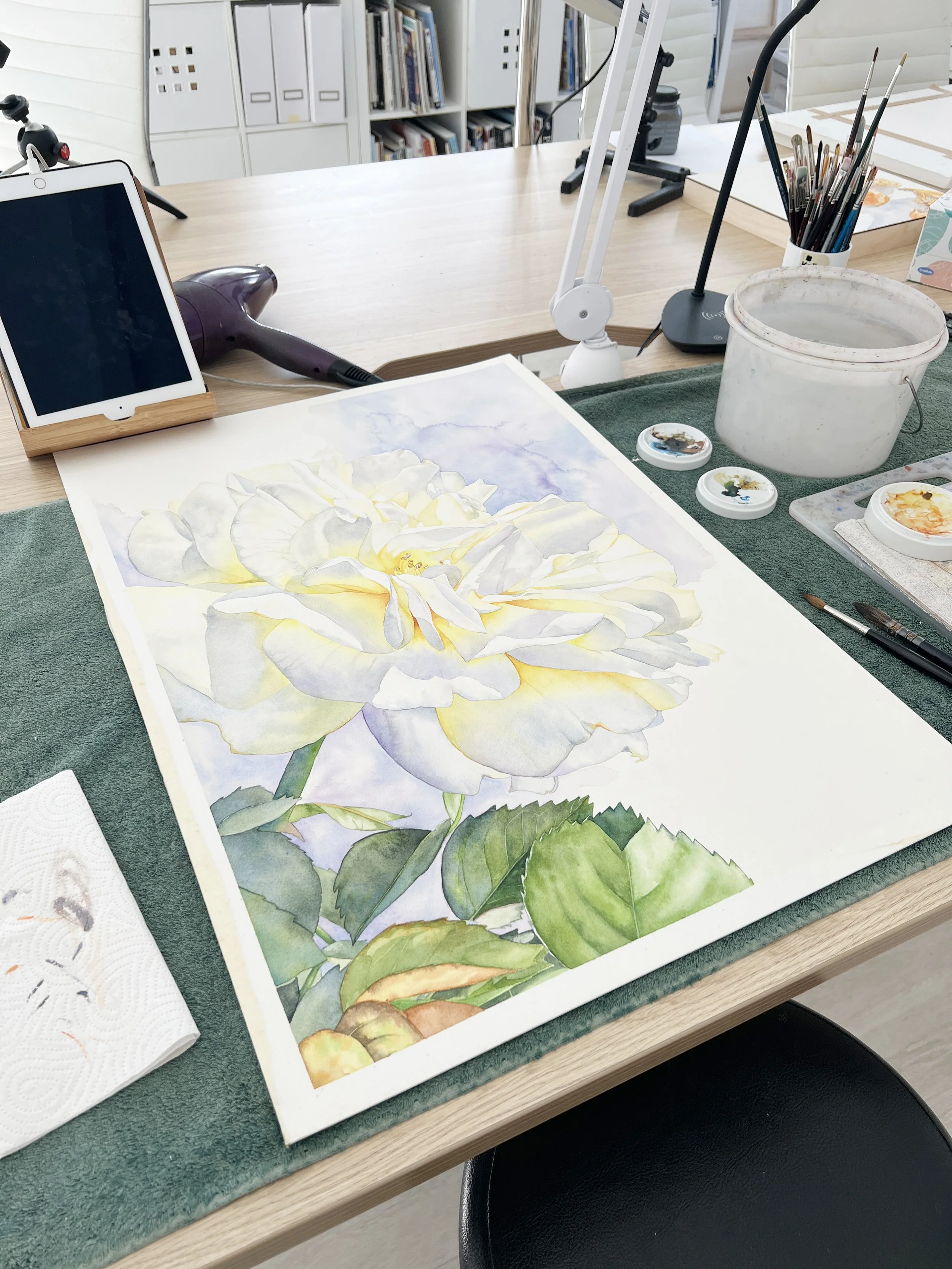
Every watercolour painting goes through an awkward middle stage.

The shapes may look disjointed. The colours may feel uncertain. At this point many painters assume the painting has failed and stop working on it.

In reality, this stage is completely normal.

Once darker values are added and the painting develops further, many paintings begin to come together.

What often looks like failure is simply the middle of the process.

Read More
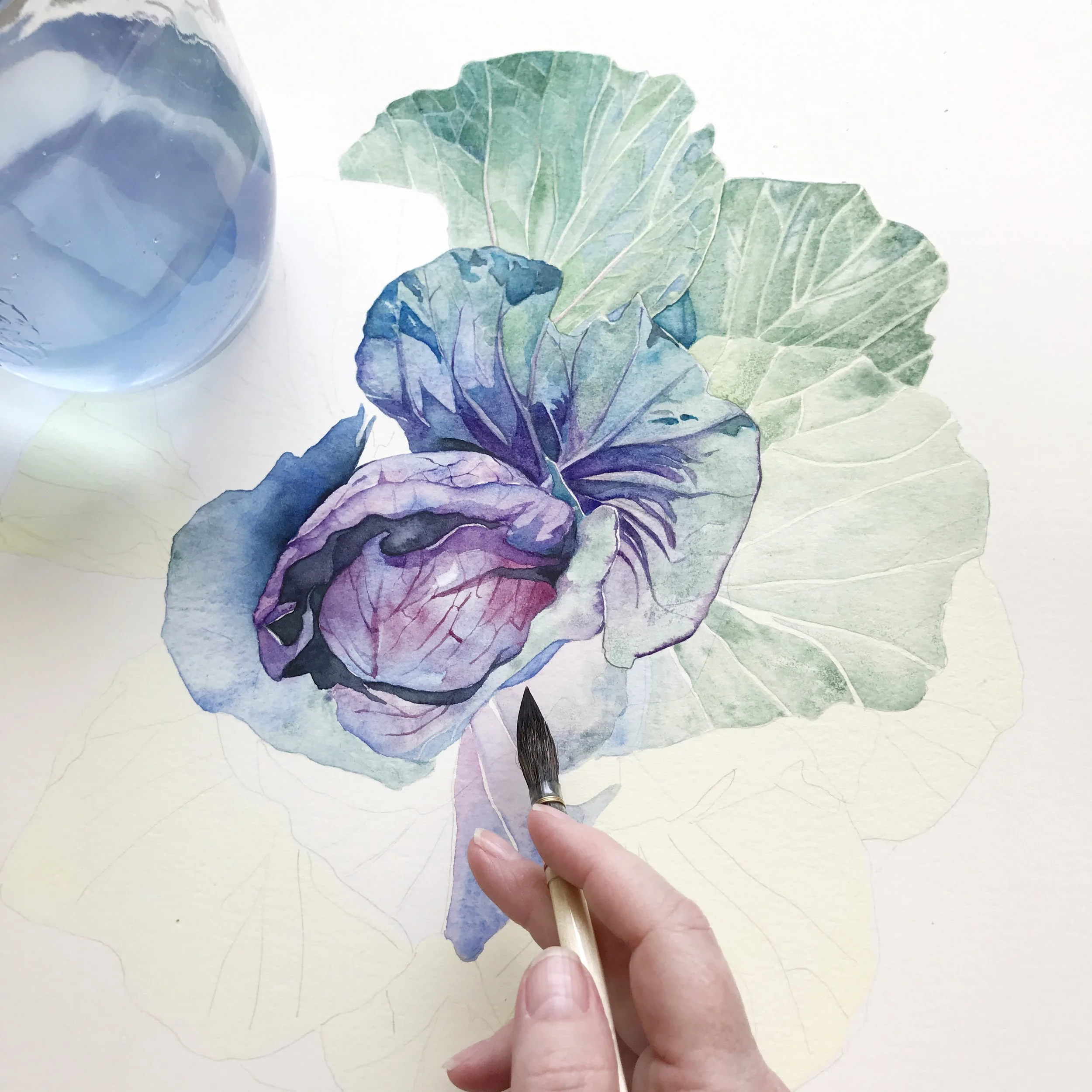
Muddy Colours

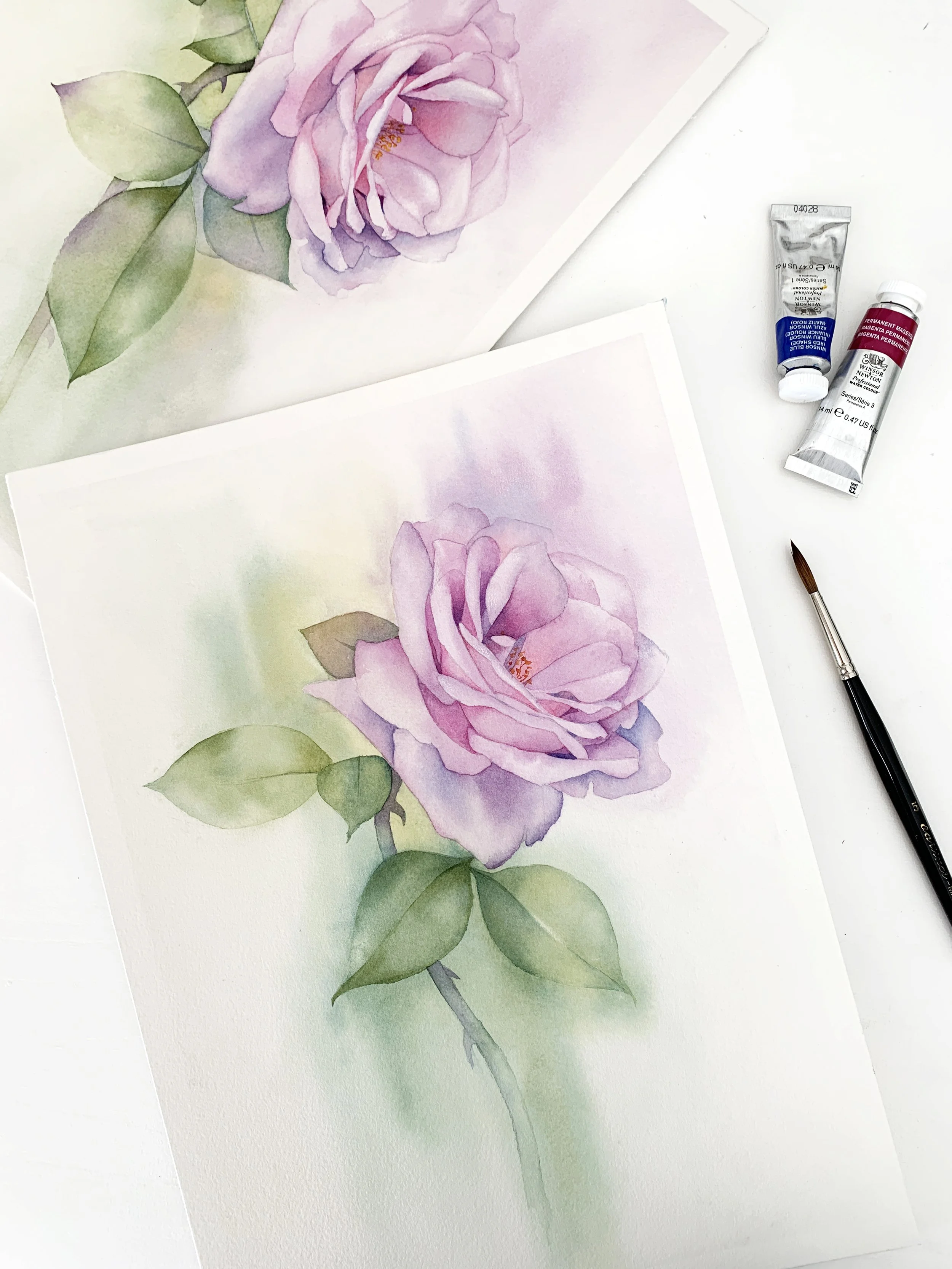
Watercolour is responsive. The paper surface holds pigment delicately, and repeated brushing disturbs that balance.

When we scrub, rework, or keep adjusting an area that has already begun to settle, we break the surface of the paper. Pigment lifts unevenly. Texture becomes patchy. What was once fresh begins to look tired.

Often this happens not because we lack skill, but because we hesitate. We add one more stroke. Then another. And slowly, clarity disappears.

Read More
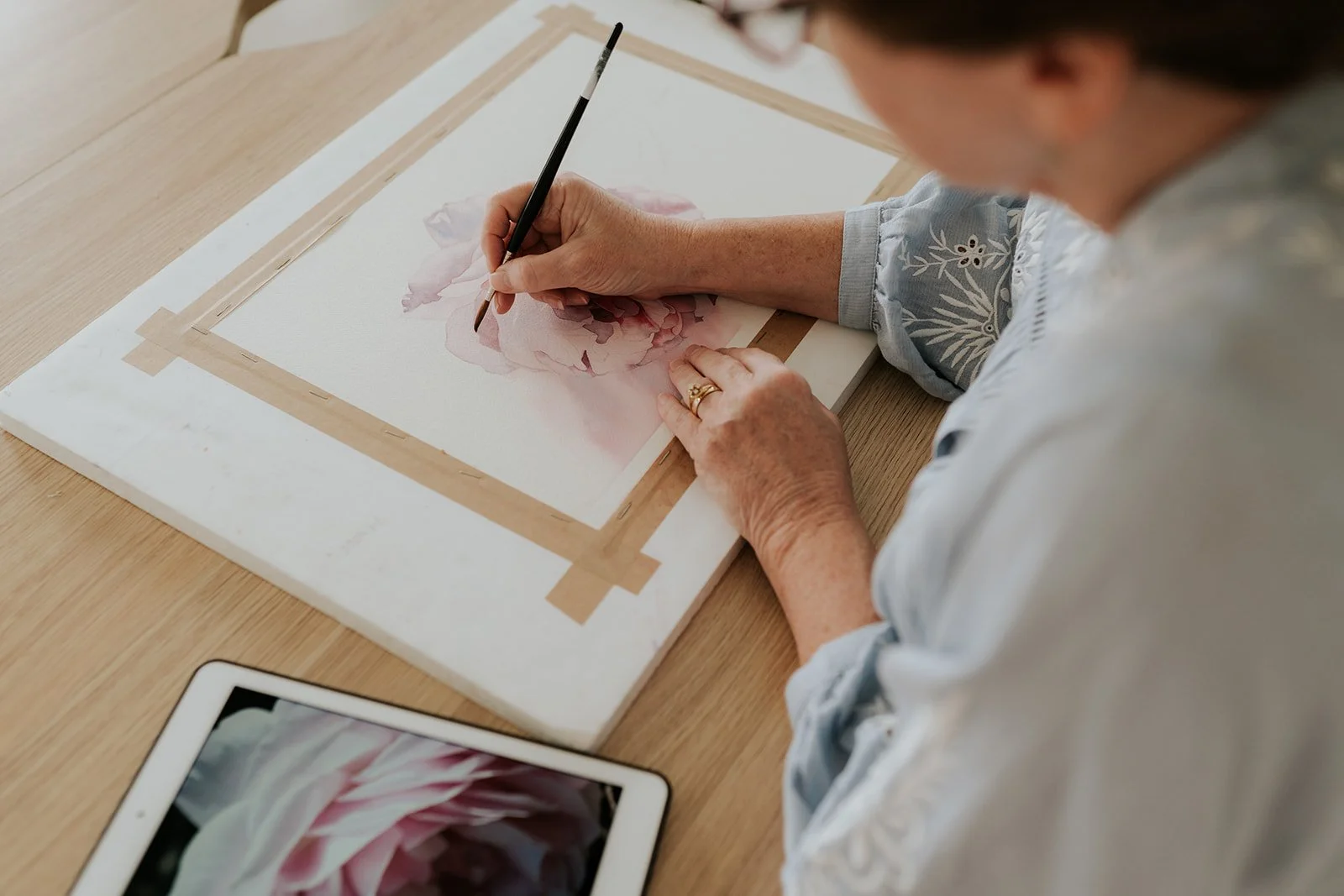
10 Essential Watercolour Techniques For Beginners

The key to wet on wet is timing. Watch the sheen on the paper rather than relying on instinct alone. Too wet, and the paint will spread uncontrollably; too dry, and edges will become harder than intended. Less brush movement often leads to better results. You can practice wet-on-wet by painting graded washes or flat washes. A spray bottle can help keep the paper evenly wet without introducing too much water, although I prefer thoroughly wetting my paper and if necessary I take the excess amount of water off with a damp brush.

Read More
Composition in Watercolour Painting

What makes a focal point work isn’t detail on its own. It’s the contrast around it that allows the important element to stand out.

High contrast areas naturally attract the viewer’s attention. Strong light against dark, hard edges beside soft edges, and clear shapes set against quieter background areas all help establish a visual hierarchy. Without this contrast, even carefully painted detail can disappear into the rest of the painting.

Read More
Daily Watercolour Practice Ideas

For many watercolour painters, the idea of practising every day brings up pressure rather than motivation. There is the fear of wasting paper. The fear of doing it wrong. The fear that every session needs to end with a finished painting.

But daily art practice is not about proving anything.

It is about showing up in a way that feels manageable, safe, and repeatable.

Read More
Motivation for Artists

As a professional artist, I don’t always have the luxury of waiting until motivation returns. I still need to create new work, even on days when I’m not in the mood. When that’s the case, I often start with a study rather than a finished painting, and I do it without cameras on. Taking away the pressure to perform allows me to experiment, make mistakes, and explore ideas more freely.

Sometimes that study leads naturally into the final painting. Other times I’ll try again, or scrap it entirely and begin something new. Letting go of the need for every piece to succeed is often what makes it possible to keep painting at all.

Read More
11 Watercolour Colour Mixes That Will Transform Your Painting

Over the years, I have found myself returning to a handful of mixes again and again. Some began as small experiments, others solved very specific painting problems, but all of them earned a permanent place on my palette.

Today I am sharing some of those mixes with you, simple combinations that create beautiful natural colours. They are not my everyday choices anymore (apart from my beloved grey mixed from French Ultramarine and Burnt Sienna), but they were once central to what I considered my ultimate mixing palette, and they are still worth knowing.

Read More
Watercolour Is Hard!

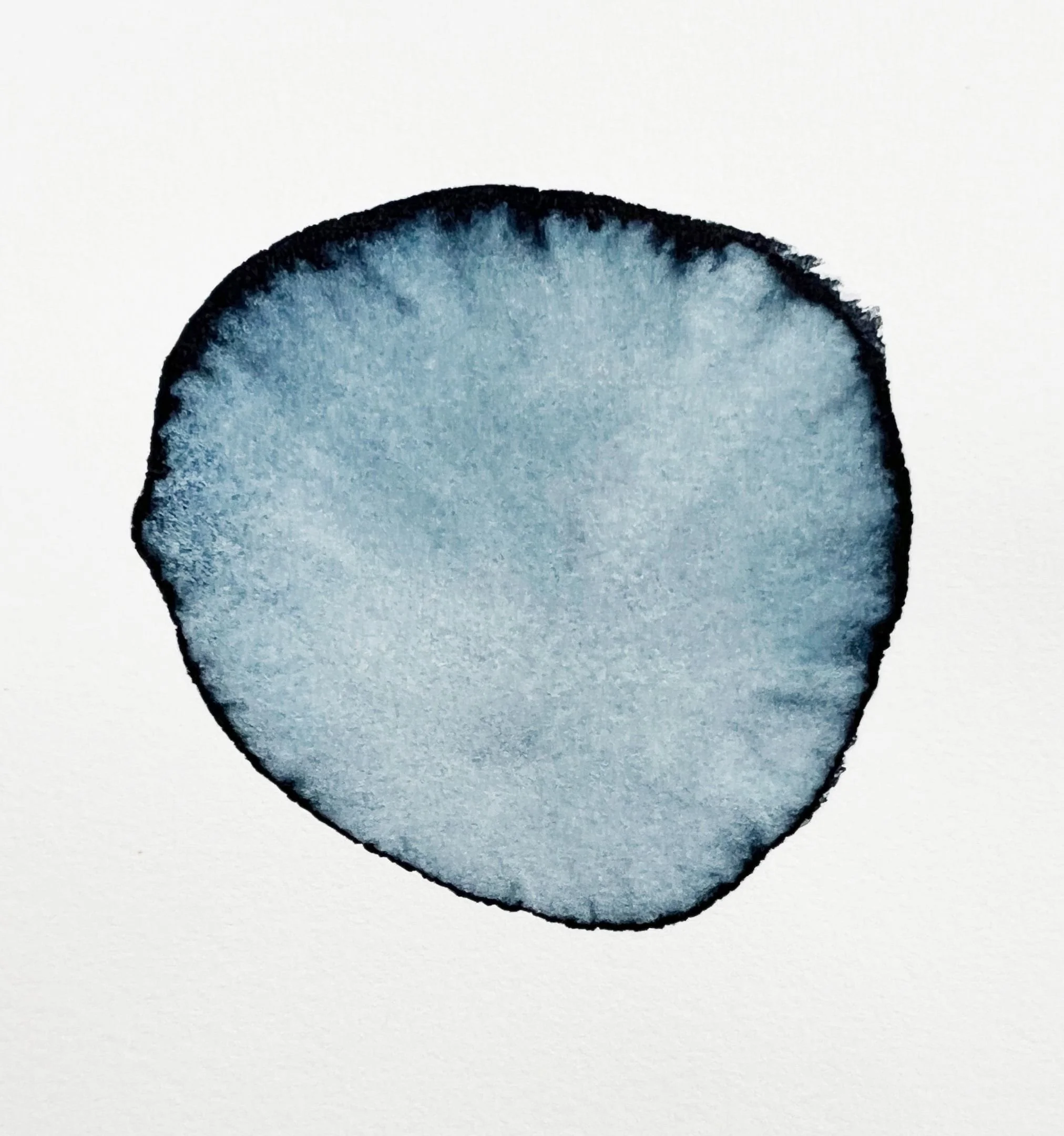
A very wet, diluted mix can easily create a puddle on the paper, and that’s when dark edges form. When there’s too much water in the wash (and on the paper), it spreads out across the wet area as it dries and carries the pigment with it, leaving that darker ring around the outside. Using a slightly stronger mix when you apply paint gives you much more control and helps your washes dry evenly.

Read More
Painting Simple Watercolour Christmas Cards

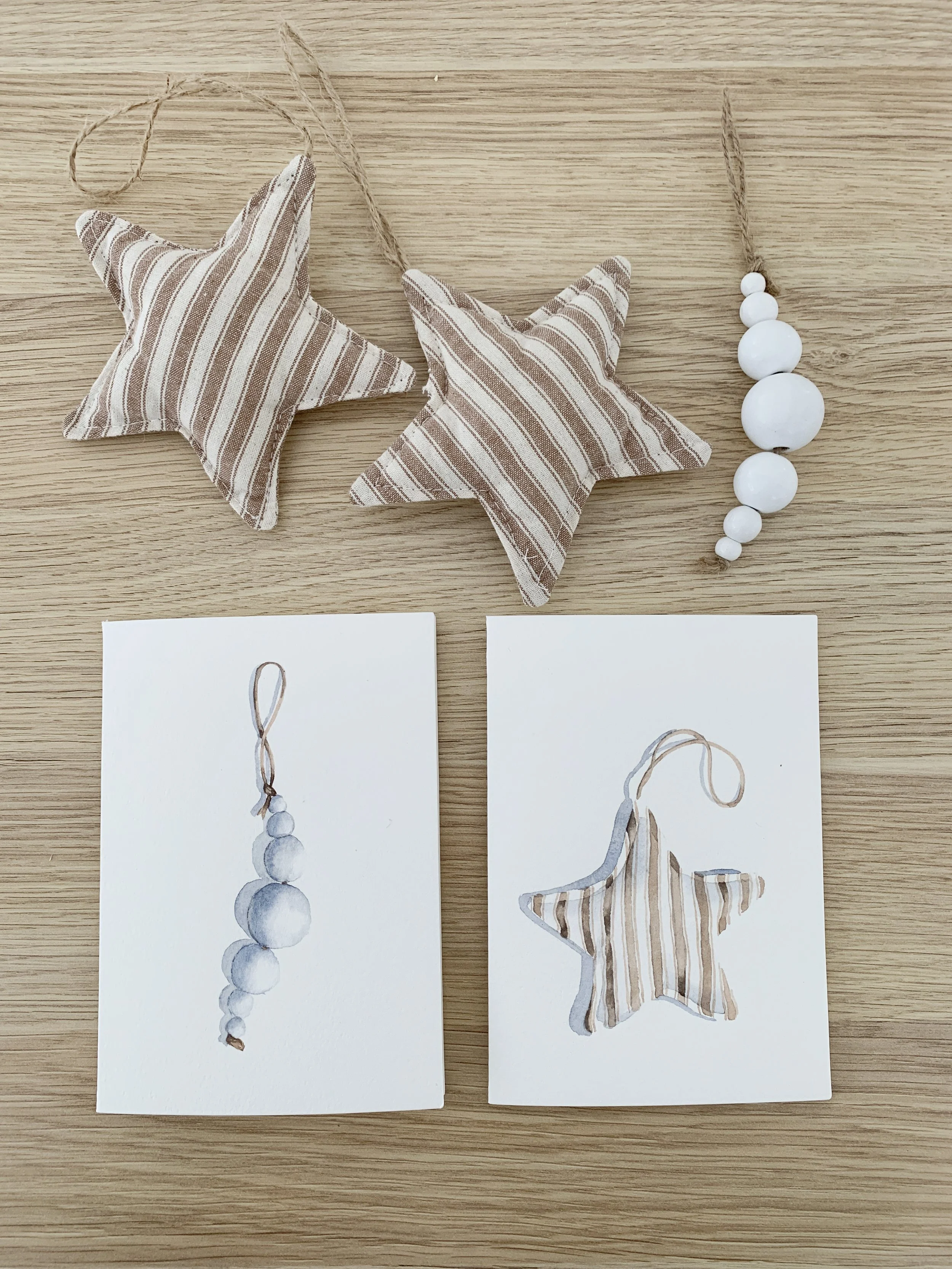
As the holiday season approaches, I love going back to small, calming projects. The ones that need only a few materials but still leave you with something beautiful and personal to give away, like your own watercolour Christmas cards. Even if you are short on time right up until Christmas, these cards are so quick to paint that you can make them as a last minute DIY present.

Read More
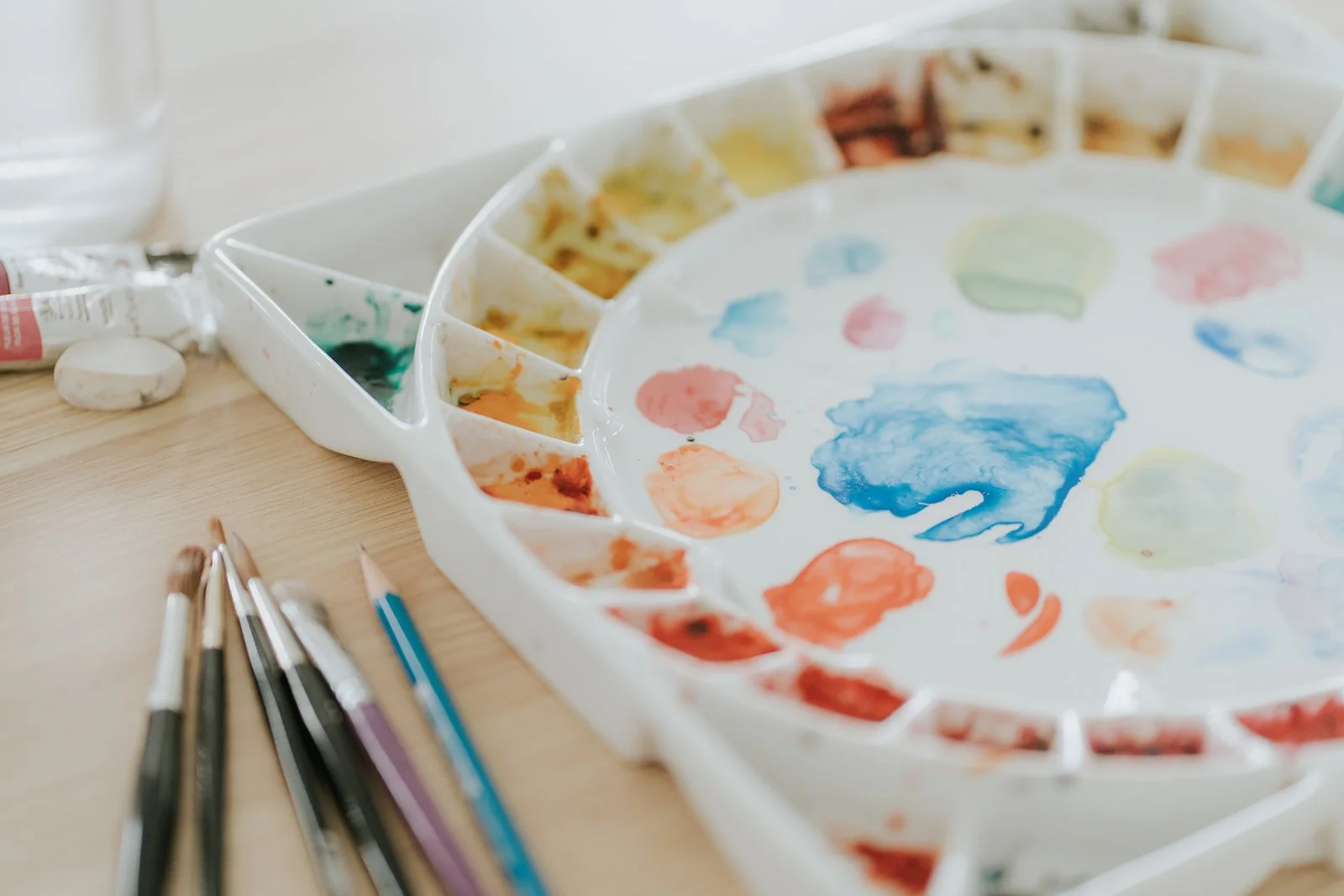
How to Create a Watercolour Mixing Chart

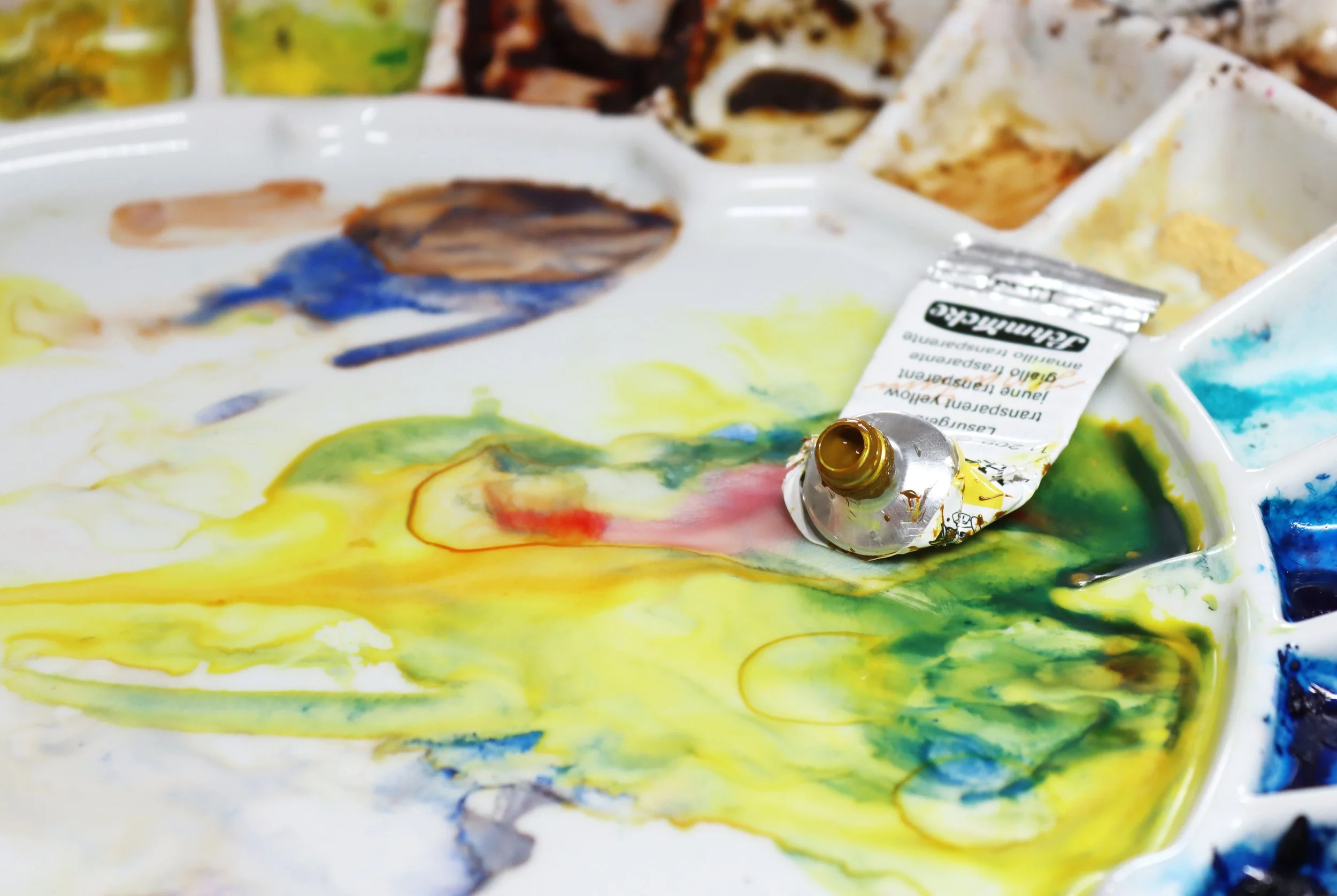
There’s an almost magical shift that happens when you see how two pigments combine. A transparent yellow suddenly turns into olive when it meets a touch of French Ultramarine; a pretty violet emerges from a whisper of Ruby Red and French Ultramarine. When you understand those relationships, you no longer guess - you choose your colours with confidence.

Read More
Does Brush Size Matter in Watercolour?

There’s something so rewarding about watching my students grow as painters. Each painting tells its own story of curiosity, courage, and those little discoveries that quietly change the way we paint forever.

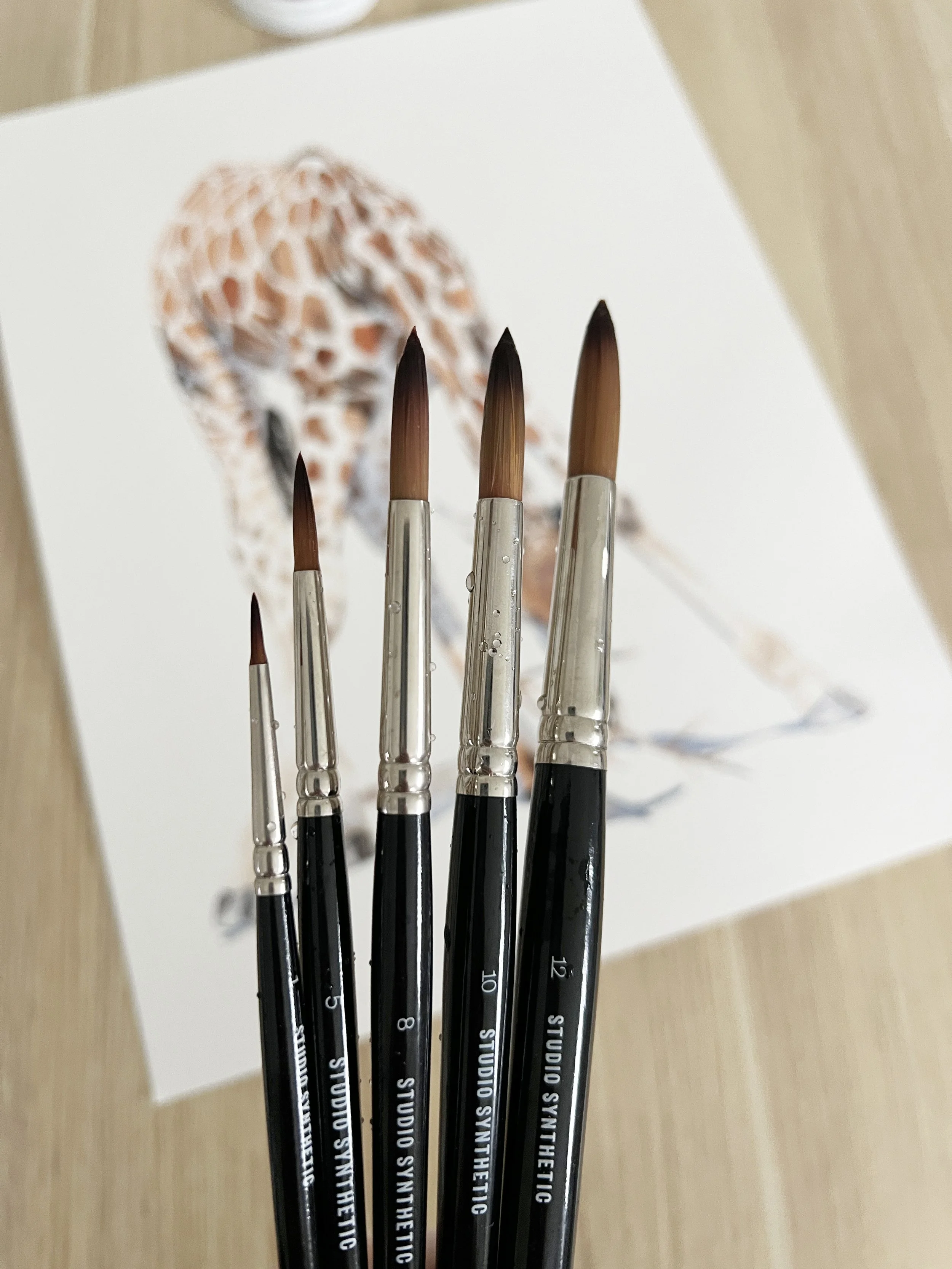
Recently, while looking through some of my students’ paintings, I noticed something interesting. A few of them were struggling with uneven washes and edges that looked a little soft or overworked. As I studied their work, it dawned on me that many of them were simply using brushes that were far too big for the level of control they needed.

Read More
How to Use Watercolour Pencils

At first glance, a watercolour pencil looks just like an ordinary coloured pencil. The magic happens when water touches the pigment. Suddenly, the dry strokes transform into fluid, paint-like washes. You can use them dry for detailed line work, or you can activate them with a damp brush for soft, flowing colour. They’re a wonderful bridge between drawing and painting.

Read More
Using Procreate to Help You on Your Watercolour Journey

One of the biggest advantages of using Procreate for planning is that it saves paper and materials. You can test countless colour combinations and compositions without committing them to paper until you’re sure.

For example, I created a digital illustration of a happy little girl, which I plan to recreate on a larger scale using watercolours. The app can help me decide on colours and compositions before I even touch my paper.

Read More